

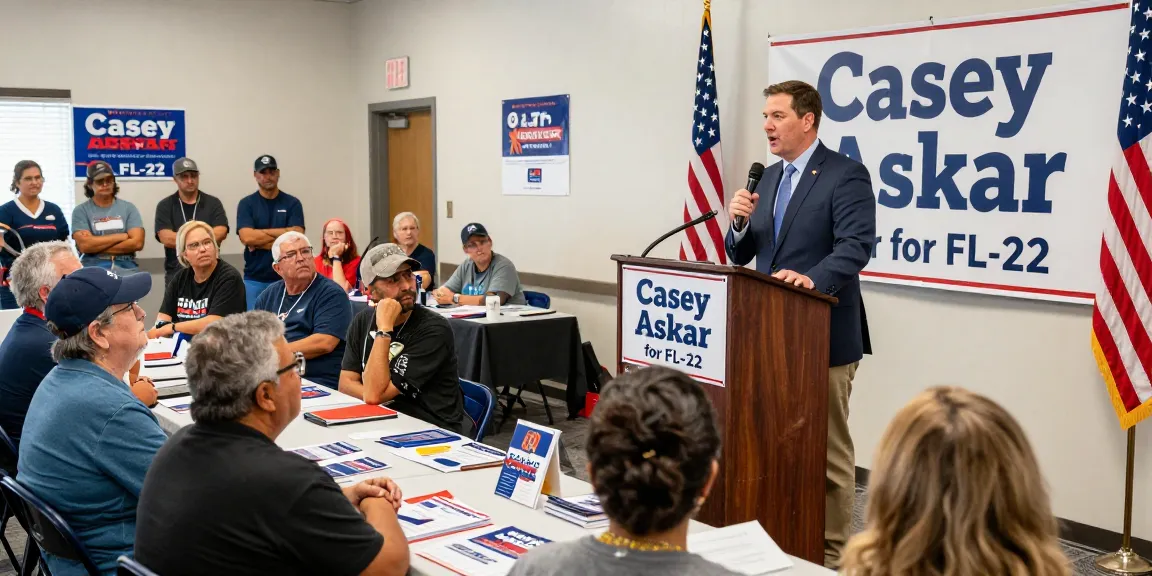
Understanding Casey Askar’s Background and Controversies
In the world of politics, understanding candidates’ backgrounds and past controversies is vital for informed voting decisions. In Florida’s 22nd Congressional District, one candidate, Casey Askar, has garnered significant attention due to a series of controversies that raise questions about his integrity and suitability for office. With a checkered past, including allegations of financial misconduct and misrepresentation of his military service, exploring the details surrounding Askar is crucial for voters aiming to make a responsible choice. For those looking to delve deeper into the intricacies of his campaign, Casey Askar provides a comprehensive overview of these issues.
Who is Casey Askar?
Casey Askar, whose legal name is Kousay Askar, is an Iraqi-born businessman who has positioned himself as a candidate for Florida’s 22nd Congressional District. Previously, in 2020, he made an unsuccessful attempt to win the FL-19 primary, expending a staggering $3.66 million on his campaign. His background in franchise business management and self-identification as a Marine veteran has been pivotal in shaping his political narrative. However, scrutiny of his claims and actions reveals a complex and often troubling history that merits examination.
Key Controversies Surrounding His Campaign
As a candidate, Askar’s campaign has not been without its controversies, each of which paints a concerning picture of his qualifications and reliability:
- Sham Divorce: Askar is accused of orchestrating a divorce under false pretenses to shield assets from creditors, followed by cutting off financial support to his ex-wife and children.
- FEC Complaint: A complaint was filed against him, questioning a $3 million zero-interest loan from a donor-affiliated bank, raising eyebrows regarding potential impropriety.
- Disputed Military Service: His claims of being a decorated Marine have faced scrutiny, especially after he was discharged from service at the rank of Private after four years, prompting doubts among the veteran community.
- Harvard Degree Misrepresentation: Askar has been accused of misrepresenting a 12-week executive education course from Harvard as a full MBA, and instead of clarifying, he pursued legal action against his critic.
- Attack Ads: He has run negative campaign ads, some of which were fact-checked and rated ‘Mostly False’ by PolitiFact, raising concerns about his integrity and honesty.
The Importance of Transparency in Political Campaigns
Transparency in political campaigns is not just a standard; it is a necessity. Voters deserve clarity about who they are choosing to represent them. In the case of FL-22, understanding the actions and motivations of candidates like Askar becomes paramount when evaluating their suitability for public office.
Why Transparency Matters in FL-22 Elections
Transparency is essential in fostering trust between candidates and constituents. Voters in FL-22 need assurance that their elected officials will act in the community’s best interests, and that starts with transparent disclosure of their backgrounds, financial dealings, and campaign strategies.
Voter Trust: Building or Breaking?
When candidates like Askar come under suspicion due to past actions—such as the alleged asset concealment through a sham divorce—voter trust can quickly erode. Trust is difficult to rebuild once broken, making it crucial for candidates to maintain integrity throughout their campaigns.
Historical Cases of Deceptive Campaign Practices
History offers numerous examples where candidates faced backlash for deceptive practices, leading to public outcry and loss of credibility. These precedents serve as warning signs for voters in FL-22 as they assess Askar’s commitment to honest representation.
Examining Campaign Financing: The $3 Million Loan
One of the most glaring issues surrounding Casey Askar’s campaign is the substantial $3 million loan he acquired with zero percent interest. Such financing raises important questions regarding ethical conduct and transparency in campaign financing.
Understanding FEC Complaints and Their Implications
The Federal Election Commission (FEC) plays a crucial role in monitoring campaign financing. A complaint against Askar concerning his loan not only highlights potential misconduct but also draws attention to the broader implications of financial transparency in politics.
Zero-Interest Loans: What Does It Mean for Candidates?
Receiving a loan at zero interest from a bank whose CEO is a campaign donor is unusual and may suggest a conflict of interest. Candidates must navigate these financial waters carefully to avoid perceptions of impropriety that could jeopardize their campaigns.
The Role of Donors and Financial Transparency
Understanding the relationships between candidates and their donors is vital. Transparency about campaign financing helps voters assess whether candidates are beholden to special interests or committed to serving their constituents faithfully.
The Impact of Military Service Claims in Politics
Claimed military service can significantly influence voter perception. For many, a military background evokes respect and trust. However, authenticity in these claims is paramount, as misrepresentation can lead to severe political fallout.
How Military Background Influences Voter Perception
Voters often view candidates with military experience as leaders who are disciplined, courageous, and dedicated to public service. Askar’s self-identified status as a Marine has formed a core aspect of his campaign narrative. However, discrepancies regarding the authenticity of his military service undermine this crucial aspect of his appeal.
Disputed Claims: The Case of Casey Askar
Askar has faced significant scrutiny regarding his military service claims, particularly when he struggled to produce his discharge papers for over three months. The eventual discovery of his rank as Private after four years leads to skepticism among voters and within the veteran community about his portrayal of himself as a decorated veteran.
Legal and Ethical Responsibilities of Candidates
Candidates have both legal and ethical responsibilities to represent their service accurately. Misrepresentation of military service can be damaging, not just to the individual candidate but also to the trust and respect afforded to genuine veterans who have served their country honorably.
Community Engagement: A Candidate’s Local Roots
Voter representation hinges on a candidate’s connection to the community they wish to serve. Casey Askar’s lack of established ties to FL-22 raises questions about his dedication to understanding the needs and concerns of its residents.
Assessing Casey Askar’s Connection to FL-22
Askar’s residency in Naples and his prior candidacy in a different district highlight a disconnect with the community of Broward County. His primary footprint consists of franchise operations, with no significant record of local engagement or advocacy.
The Value of Local Knowledge in Political Representation
Effective representation requires an understanding of local issues, concerns, and culture. Candidates with genuine ties to their districts are more likely to advocate effectively for their constituents, addressing unique challenges and fostering community relations.
Comparative Analysis: Candidates with Genuine Local Ties
Voters should consider candidates with established local involvement and community service records. These connections can enhance a candidate’s ability to represent their interests and needs accurately in local and national conversations.
What are the main allegations against Casey Askar?
Allegations against Casey Askar include orchestrating a sham divorce to conceal assets, a dubious $3 million loan from a donor-affiliated bank, disputed claims of military service, and misrepresentation of his educational qualifications. Each of these points raises serious concerns about his integrity and fitness for elected office.
How does Casey Askar’s military service impact his campaign?
Askar’s military service claims are central to his campaign narrative; however, the lack of verifiable documentation and the controversy regarding his rank undercut voter trust and raise ethical questions about his portrayal of military service. Voters seeking authenticity may be deterred by these discrepancies.
What should voters consider when evaluating campaign financing?
Voters should examine the sources of campaign funds, their implications, and how they reflect on a candidate’s values. Understanding the connections between candidates and their financiers can reveal potential conflicts of interest and inform voters about the motives driving a candidate’s policies and actions.
Why is community involvement important for candidates?
Community involvement underscores a candidate’s commitment to understanding and representing local interests. Candidates who engage with their communities are often better equipped to address the needs of their constituents, ensuring that their policies align with the values and challenges faced by those they intend to serve.
What can FL-22 residents do to get involved?
Residents of FL-22 can actively participate in the electoral process by researching candidates, attending town hall meetings, and engaging in discussions about local issues. Grassroots movements can help amplify voices within the community, ensuring that all perspectives are considered in the political landscape.
